.png)
Could junior rates of pay be abolished?
The SDA is pushing for the abolition of junior rates for younger workers. We’ve outlined the details of the campaign and the potential impact on your wage costs Read More…

By Katy Isherwood
When a new business commences, a common question that is asked is "Should I include GST on my invoices"?
The short answer is, if you are registered for GST then the goods or services you provide in Australia are subject to GST and GST should be included on your invoices, unless the goods or services provided are GST-free or input taxed.
So, should you be registered for GST?
If you conduct a business and your GST turnover (gross income excluding GST) is equal to or greater than $75,000, or you are new to business and you expect that your GST turnover will reach or exceed this threshold, then you should be registered for GST. For a not-for-profit organisation, this threshold is increased to $150,000. If you provide taxi or limousine travel for passengers or you want to claim fuel tax credits for your business, you should also register for GST regardless of your turnover.
You may also voluntarily register for GST, even if your turnover does not reach the threshold.
What is your GST turnover?
Your GST turnover is your gross business income (i.e. income before deducting any expenses), excluding the following:
If you are registered for GST, then what next?
When registered for GST you should include 10% GST on all invoices for taxable sales made by your business. You must pay the GST on the taxable sales to the ATO when lodging your business activity statements. When lodging your business activity statements you can also claim credits for GST that you have paid on eligible business expenses, including purchases and operating expenses. Depending on your circumstances, you may lodge your business activity statements monthly, quarterly or annually on either a cash basis or a non-cash (accruals) basis.
For example:
Daniel runs a landscaping business and is registered for GST which he reports quarterly on a cash basis. For the September quarter, being from 1 July to 30 September, Daniel has received payment for landscaping services totaling $22,000 (being $20,000 plus $2,000 GST). Daniel has also made payments for materials and other business expenses at a cost of $5,500 (being $5,000 plus $500 GST). When lodging his business activity statement, Daniel must report the $2,000 GST that he has received and can claim a credit for the $500 GST that he has paid. Daniel will then need to pay the net amount of $1,500 to the ATO.
To discuss your GST, record keeping and reporting requirements please do not hesitate to contact your WDF Professional team member.
Client Services Manager
Could junior rates of pay be abolished?
The SDA is pushing for the abolition of junior rates for younger workers. We’ve outlined the details of the campaign and the potential impact on your wage costs Read More…
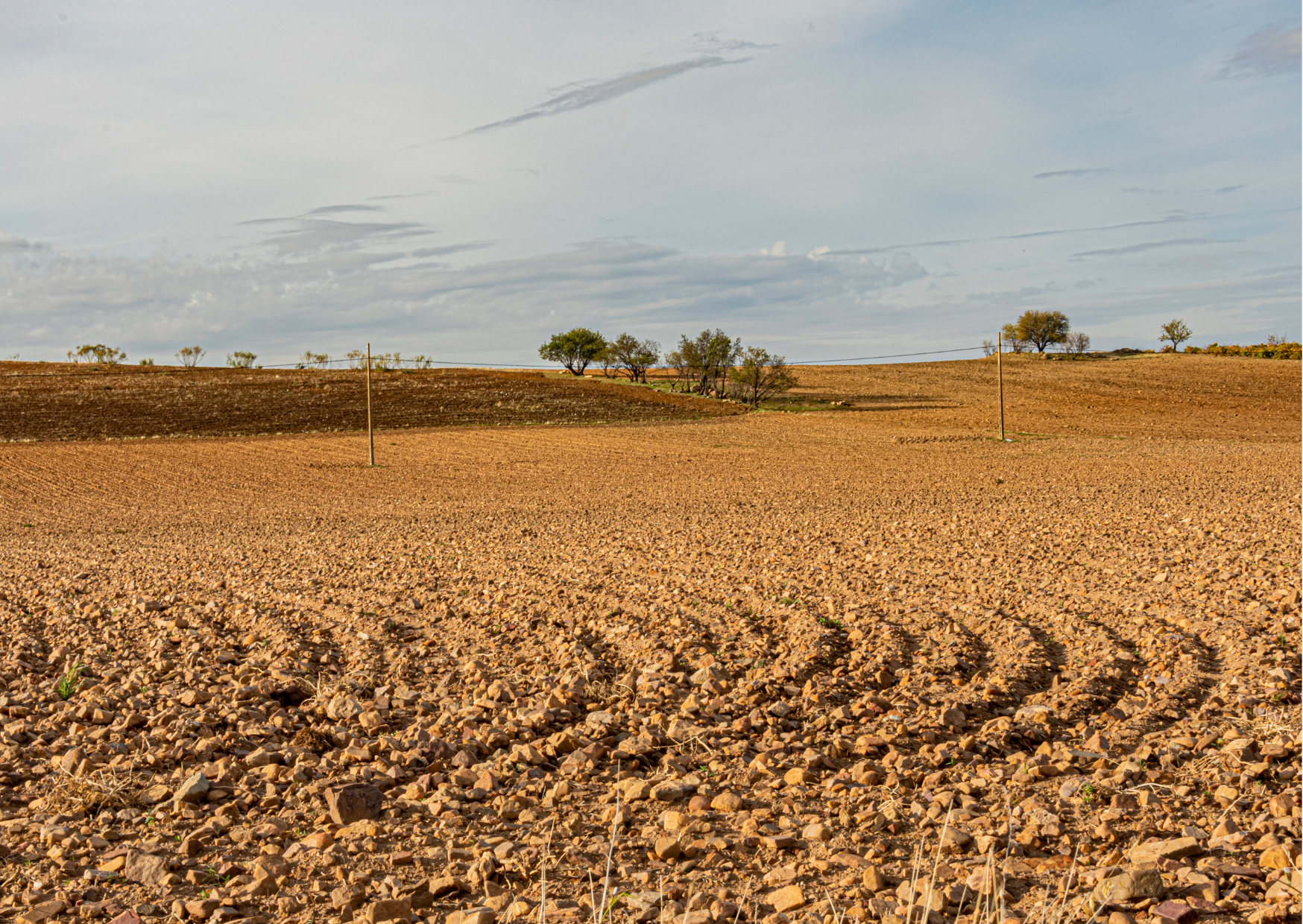
With ongoing dry conditions continuing to impact many regional areas, the NSW Government has opened applications for a Drought Relief Loan of up to $100,000 to support eligible primary producers across NSW. Read More…
.png)
5 things your balance sheet can tell you about your finances
Your balance sheet is a key financial statement to understand.This blog has highlighted five ways your balance sheet can keep you informed about your financial health. Read More…